
Understanding Relationship Anxiety: What is It?
Relationship anxiety is a complex concoction of fears, doubts, and insecurities within relationships (often romantic relationships). It includes a wide range of concerns, such as
- fears of abandonment,
- doubts about your worthiness of love and affection,
- excessive worry about the future of the relationship, and
- overthinking minor issues or perceived flaws in your partner or the relationship itself
Relationship anxiety can show up as a constant need for reassurance, an inability to trust your partner despite the evidence, and an increased sensitivity to signs of trouble in the relationship.
Addressing relationship anxiety is crucial as it can have costly effects on your emotional well-being and the health of your relationship(s). By recognizing, understanding, and seeking support to manage the symptoms, you can create healthier relationships built on trust and emotional security.
Signs and Symptoms of Relationship Anxiety
Relationship anxiety can create emotional turbulence for the sufferer and their partner. A common symptom is constant worry about the stability of the relationship, which can lead to continual questioning of your partner’s commitment, and the belief that you’ll be abandoned. For example, someone with relationship anxiety may constantly seek reassurance from their partner, asking questions like, “Do you really love me?” or “Are you sure you won’t leave me?”
Another sign is heightened sensitivity to perceived threats, such as interpreting a missed call from a partner as a sign of rejection or viewing a minor disagreement as a catastrophic relationship-ending event. Sufferers may also struggle with trust issues, finding it challenging to believe in their partner’s intentions, even when there is no evidence of wrongdoing.
These symptoms can lead to a pattern of overanalyzing your experiences and can negatively impact the overall quality of your day-to-day life as well as your relationship. Recognizing and addressing these signs is crucial to cultivating healthier, more secure connections with partners.
Causes and Triggers of Relationship Anxiety
Relationship anxiety can stem from a variety of underlying causes and can be triggered by various factors. One main cause is often past experiences, such as previous relationships marked by betrayal, abandonment, or emotional trauma. These experiences can create a baseline insecurity and mistrust that carries into new relationships.
Personal factors like low self-esteem or a history of anxiety disorders can also increase the likelihood of relationship anxiety. You may regularly question your own worthiness of love and connection, minimize your positive qualities and maximize your negative ones. You might also have other anxiety based conditions, like generalized anxiety disorder, that might further influence your perception about the safety of relationships.
Additionally, major life changes, such as moving in with your partner, getting married, or starting a family, can act as triggers, increasing feelings of uncertainty and vulnerability. The fear of the unknown and the pressure to meet societal or personal expectations can worsen anxiety in these situations.
Recognizing the root causes and triggers of your relationship anxiety is so important; this is the foundation for addressing and working through these challenges.

Coping Strategies for Dealing with Relationship Anxiety
Managing relationship anxiety requires an approach that combines self-awareness and practical coping strategies. Self-help methods like journaling can be powerful tools for identifying patterns of anxious thoughts and exploring their origins. Mindfulness exercises, such as deep breathing and meditation, can help you stay grounded and reduce the tendency to overthink or catastrophize situations.
In addition to working on yourself, learning to communicate openly with your partner about your fears and insecurities can help build trust and mutual understanding. Setting healthy boundaries can also reduce anxiety by providing a sense of control and personal space within the relationship.
Seeking support from a therapist or counselor who specializes in relationship issues is often invaluable, as they can provide guidance and tools tailored to your specific needs.
Ultimately, managing relationship anxiety involves a combination of self-care, communication, and professional support to build a foundation of trust and emotional security within the partnership.
Communication Tips for Addressing Anxiety in Relationships
You can help manage your anxiety by communicating effectively within your relationship. Open and honest conversations provide a safe space for partners to express their feelings and concerns.
Start by choosing the right time and place for discussions, making sure that you both have each other’s full attention. Use “I” statements to express your feelings, focusing on your own experience rather than blaming or criticizing your partner. Active listening is key; make an effort to understand your partner’s perspective without judgment. Reassure each other of your commitment and love, emphasizing that anxiety is a shared challenge, not a source of blame.
Additionally, consider setting boundaries around when and how anxiety-related discussions take place to prevent overwhelming the relationship.
By creating a climate of trust, empathy, and understanding through open communication, couples can navigate anxiety together and strengthen their bond.
Seeking Professional Help: Therapy for Relationship Anxiety
You might consider seeking therapy or professional help for relationship anxiety when your symptoms significantly interfere with your well-being and the health of your partnership. Therapy can be particularly beneficial if anxiety continues despite self-help efforts, and affects daily life, causing regular distress.
Various therapeutic approaches can help in dealing with relationship anxiety, including cognitive-behavioral therapy (CBT), which helps you recognize and change anxious thought and/or behavioral patterns, and psychodynamic therapy, which helps you recognize and understand your subconscious thoughts, feelings and patterns and how they might be affecting your life negatively.
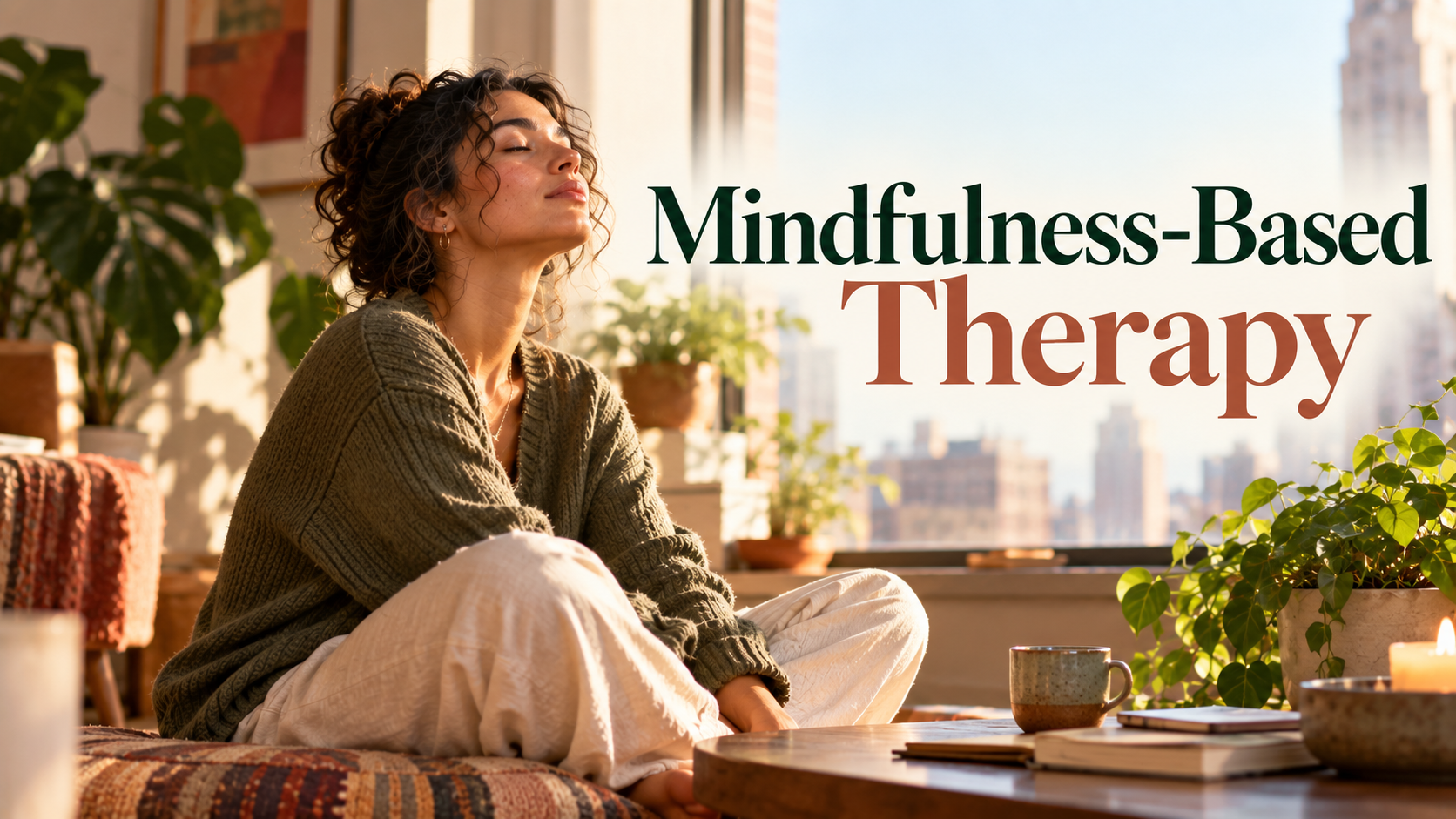
Another option, couples therapy, focuses on improving communication and trust within the relationship. Additionally, mindfulness-based therapies can teach you to manage anxiety through relaxation techniques and self-awareness.
A qualified therapist can tailor the approach to your needs, providing guidance and tools to address the root causes of anxiety and work toward building healthier frames of mind and relationships.
Strengthening Your Relationship: Building Trust and Security
Building trust and security within a relationship often begins with personal growth and self-care practices. First and foremost, you can manage anxiety by prioritizing your own emotional well-being.
Self-care tips include dedicating time to hobbies or activities that bring joy and/or relaxation, practicing mindfulness and meditation regularly to reduce stress, and maintaining a healthy work-life balance. It’s also essential to address personal triggers and anxieties through self-reflection and, when necessary, seeking therapy to work through unresolved issues.
Once you have a greater understanding of yourself and how to manage your relationship anxiety, your partner ship will likely naturally inherently benefit. Additionally, with this self knowledge and with anxiety coping tools, you can then communicate more effectively about your thoughts and feelings within your relationship, improving your bond.
Ultimately, by strengthening your own emotional resilience and health, you are better equipped to handle relationship anxiety.
Moving Forward: A Brighter, Healthier Relationship Future
We’ve taken a look at essential insights about, and strategies for, relationship anxiety. By focusing on self care practices, open and honest communication, and trust-building exercises, you can navigate the challenges of anxiety independently and with your partner.
If overwhelmed and confused by your relationship anxiety, seeking professional help can provide tailored guidance and tools to help you manage day-to-day, while addressing the root cause(s) of the anxiety.
The path to healing may have its challenges, but with dedication, empathy, and resilience, you can strengthen your relationship to yourself and your partner.
Book an Appointment
At Madison Park Psychological Services, we’re here to support you every step of the way. If you’re ready to take the next step, we invite you to schedule your first consultation. Let’s work together to create the relationship you’ve always envisioned.
Author:

Patrick Melee, Pys.D.
I strive to be curious and grounded so we can create a comfortable space for you to understand yourself more clearly. I can be empathic when you need comfort, or I can challenge you when you are inches away from a breakthrough. By asking questions and exploring new perspectives, we can unearth what is “not quite right” in your life. Therapy is a collaborative process, so let’s meet and see how you can overcome the obstacles standing in your way.
Patrick Melee, Pys.D.
I strive to be curious and grounded so we can create a comfortable space for you to understand yourself more clearly. I can be empathic when you need comfort, or I can challenge you when you are inches away from a breakthrough. By asking questions and exploring new perspectives, we can unearth what is “not quite right” in your life. Therapy is a collaborative process, so let’s meet and see how you can overcome the obstacles standing in your way.