
How Long Does Anxiety Last
Anxiety can feel overwhelming, especially when it seems like it won’t end. Whether it appears suddenly during stressful situations or builds gradually over time, many people wonder: How long does anxiety last?
The answer depends on several factors, including the type of anxiety, the situation triggering it, and whether underlying mental health conditions are present. For some people, anxiety lasts a few minutes. For others, it can persist for days, months, or longer without treatment.
The good news is that anxiety is treatable. With the right support, coping strategies, and professional guidance, it is possible to stop anxiety from taking over daily life and learn how to slow anxiety before it escalates.
Understanding the Duration: How Long Does Anxiety Typically Last?
Anxiety can last anywhere from a few moments to many years depending on its cause and severity. Temporary anxiety connected to stressful situations—such as a job interview, public speaking event, or medical concern—may fade once the situation passes. However, chronic anxiety can persist much longer and interfere with relationships, work, sleep, and overall well-being.
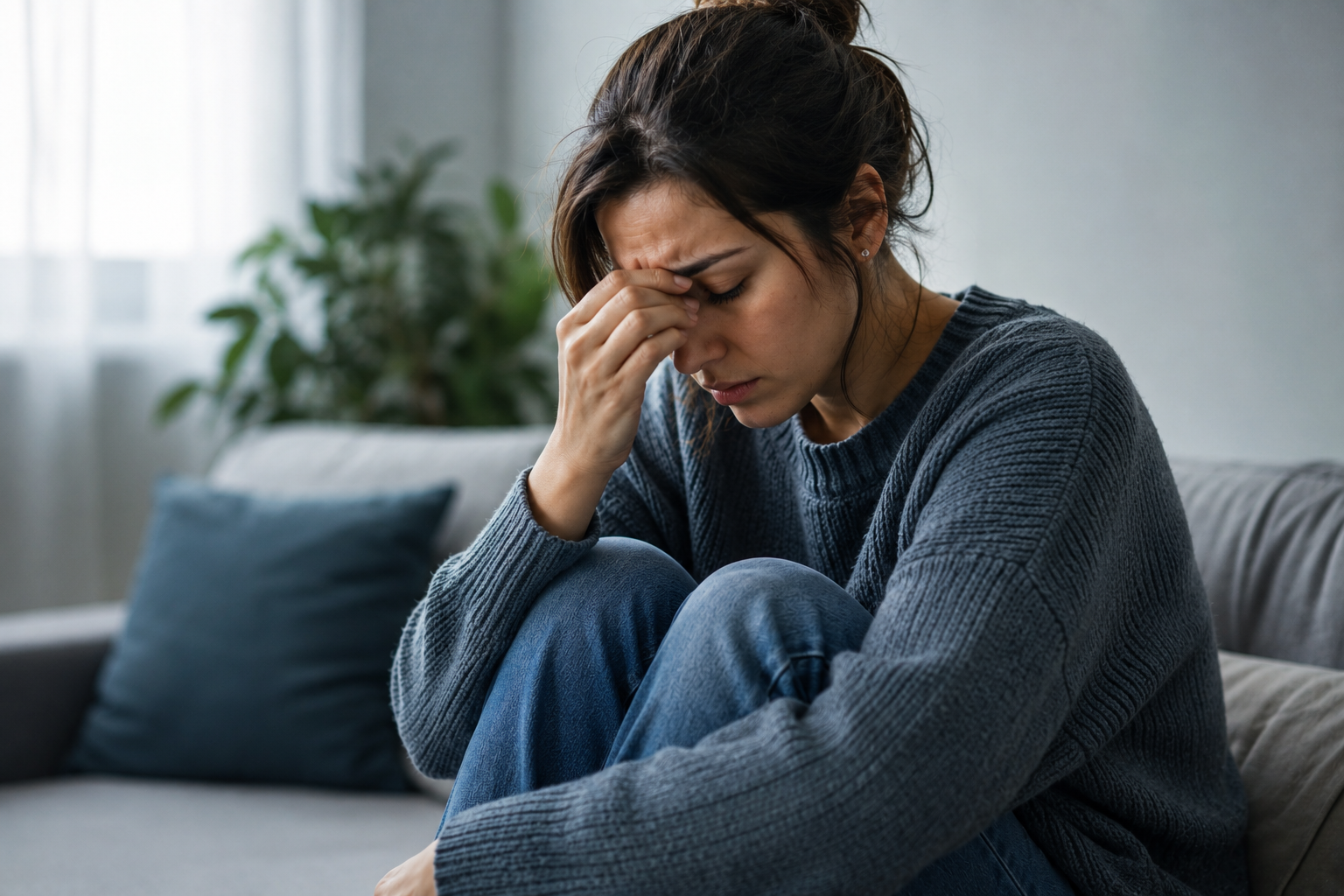
An anxiety attack may last several minutes to an hour, while panic attacks often peak within 10 minutes and gradually decrease afterward. During these experiences, people may feel:
- Intense fear
- Rapid heart rate
- Chest pain
- Dizziness or shortness of breath
- Sweating or shaking
Although panic attacks are temporary, the fear of having another one can linger and contribute to ongoing anxiety.
For individuals with generalized anxiety disorder (GAD), anxiety may feel constant or difficult to control. Others living with social anxiety disorder may experience anxiety primarily in social situations, while people with panic disorder may have repeated panic attacks that occur unexpectedly.
Anxiety can also occur alongside depression or conditions such as post traumatic stress disorder (PTSD). In these cases, symptoms may last longer and require comprehensive treatment.
Because there are many different types of anxiety disorders, the duration varies significantly from person to person. Some individuals experience brief periods of anxiety during life transitions, while others experience long-term symptoms that fluctuate over time.
The important thing to remember is this: anxiety is highly treatable, and lasting relief is possible.
Factors Affecting Anxiety Duration: What Influences Its Length?
Several factors influence how long anxiety lasts. One of the biggest factors is whether anxiety is tied to a temporary stressor or an ongoing mental health condition.
For example, anxiety connected to a major life event—such as moving, relationship conflict, work stress, or financial concerns—may decrease once the stressful situation resolves. However, when anxiety becomes chronic, it may persist even after the original stressor has passed.
Other factors include:
Severity of Symptoms
More intense symptoms often require longer recovery periods. Frequent panic attacks, persistent worry, or severe physical symptoms can make anxiety feel constant.
Underlying Mental Health Conditions
Conditions such as:
- Generalized anxiety disorder GAD
- Panic disorder
- Social anxiety disorder
- Anxiety and depression
- Post traumatic stress disorder
can increase both the frequency and duration of anxiety symptoms.
Avoidance Patterns
Avoiding feared situations may provide short-term relief but can strengthen anxiety over time. For example, avoiding social situations because of fear may reinforce social anxiety and make it more difficult to regain confidence.
Lifestyle and Stress Levels
Sleep deprivation, chronic stress, caffeine, substance use, and poor self-care habits can intensify anxiety symptoms and prolong recovery.
Access to Treatment
Early support from a mental health professional can significantly improve outcomes. Evidence-based approaches such as cognitive behavioral therapy CBT help individuals identify anxious thought patterns and develop healthier coping strategies.
For some individuals, medication such as selective serotonin reuptake inhibitors SSRIs may also help regulate symptoms when combined with therapy.
Anxiety often becomes more manageable when people understand what is contributing to it and learn effective tools to address it.
Managing and Coping: Effective Strategies for Anxiety Relief
Although anxiety can feel consuming, there are practical ways to reduce symptoms and regain a sense of control.
One of the most effective ways to slow anxiety is to regulate the body’s stress response. Anxiety affects both the mind and body, which is why physical symptoms like increased heart rate, muscle tension, chest pain, and shallow breathing are so common.
Helpful coping strategies include:
Breathing and Grounding Techniques
Deep breathing exercises can calm the nervous system and reduce physical symptoms during moments of intense fear or anxiety attacks.
Limiting Overstimulation
Constant exposure to stressful news, social media, or demanding schedules can increase anxiety. Creating intentional periods of rest and quiet can help regulate emotions.
Physical Activity
Exercise supports emotional regulation by reducing stress hormones and increasing mood-stabilizing chemicals in the brain.
Challenging Anxious Thoughts
Cognitive behavioral therapy CBT techniques help individuals recognize catastrophic thinking and replace it with more balanced perspectives.
Building Emotional Awareness
Understanding emotional triggers and patterns can help individuals respond more intentionally instead of reacting automatically to anxiety.
Strengthening Support Systems
Connecting with supportive people reduces isolation and creates emotional safety during difficult periods.
Anxiety often improves gradually rather than disappearing overnight. Small, consistent steps can create significant long-term change.
Seeking Professional Help: When to Consider Anxiety Treatment
It may be time to seek support if anxiety:
- Feels constant or overwhelming
- Interferes with work, relationships, or daily functioning
- Causes frequent panic attacks
- Leads to avoidance of important situations
- Creates persistent physical symptoms
- Contributes to depression or emotional exhaustion
Many people hesitate to seek therapy because they believe they should “handle it on their own.” However, working with a mental health professional provides support, structure, and evidence-based tools that can significantly improve quality of life.
At Madison Park Psychological Services, therapy for anxiety is tailored to each individual’s experiences and needs. Treatment may include:
- Cognitive behavioral therapy CBT
- Mindfulness-based approaches
- Psychodynamic therapy
- Body-Mind-Spirit interventions
Some individuals may also benefit from medication support, including selective serotonin reuptake inhibitors SSRIs, depending on symptom severity and clinical recommendations.
Seeking help early can prevent anxiety from becoming more deeply ingrained over time.
Seeking Professional Help: Therapy Options for Individuals Who Feel Insecure in Their Relationships
Relationship insecurity and anxiety often overlap. Fear of rejection, abandonment, conflict, or emotional disconnection can create ongoing worry and emotional distress.
People who experience anxiety in relationships may:
- Overthink interactions
- Seek constant reassurance
- Fear intimacy or vulnerability
- Avoid difficult conversations
- Feel heightened anxiety during conflict
Therapy helps individuals explore the roots of these fears while building healthier patterns of communication and emotional regulation.
At MPPS, therapists help clients:
- Understand attachment patterns
- Identify emotional triggers
- Improve self-esteem and boundaries
- Strengthen communication skills
- Build more secure, balanced relationships
For couples, therapy creates a structured space to improve communication, rebuild trust, and reduce reactive cycles that contribute to anxiety within the relationship.
Relationship-focused therapy can be especially helpful for individuals whose anxiety increases in emotionally vulnerable situations.
Long-term anxiety relief often comes from combining practical coping skills with deeper emotional understanding.
Some expert recommendations include:
- Prioritize consistent sleep and stress management
- Practice mindfulness and nervous system regulation daily
- Reduce avoidance behaviors gradually
- Learn to recognize anxious thinking patterns early
- Seek support instead of isolating
- Build routines that support emotional balance
It’s also important to remember that healing is rarely linear. Anxiety symptoms may improve gradually over time, especially when individuals develop stronger emotional awareness and healthier coping tools.
At MPPS, we view anxiety through a holistic Body-Mind-Spirit lens, recognizing that emotional well-being is connected to physical health, thoughts, relationships, and a person’s deeper sense of self.
With the right support, it is possible to stop anxiety from controlling your life and create lasting emotional resilience.
Book an Appointment With One of Our Expert Anxiety Therapists
You do not have to navigate anxiety alone.
At Madison Park Psychological Services, our experienced therapists provide compassionate, evidence-based care tailored to your individual needs. Whether you are struggling with panic attacks, chronic worry, social anxiety disorder, or stress related to relationships and life transitions, support is available.
Our team offers:
Take the next step toward relief and healing today.
Author:

MPPS Team (Reviewed By Dr. Yasmine Saad)
Hello! I’m Dr. Yasmine Saad, an award-winning psychologist based in New York City and a two-time international best-selling author. You might know me as “The Wise Psychologist,” a title given to me by my clients for my work. I’m honored to have been recognized by Forbes alongside inspirational figures like Tony Robbins.
My work is centered around my Inner Message Approach®, a transformative method I developed to help individuals decode their thoughts and emotions. This approach is designed to empower people to overcome negative patterns and unlock their true potential. USA Today has called me a “visionary,” highlighting how I’m redefining our understanding of the human mind by combining deep wisdom with revolutionary techniques.
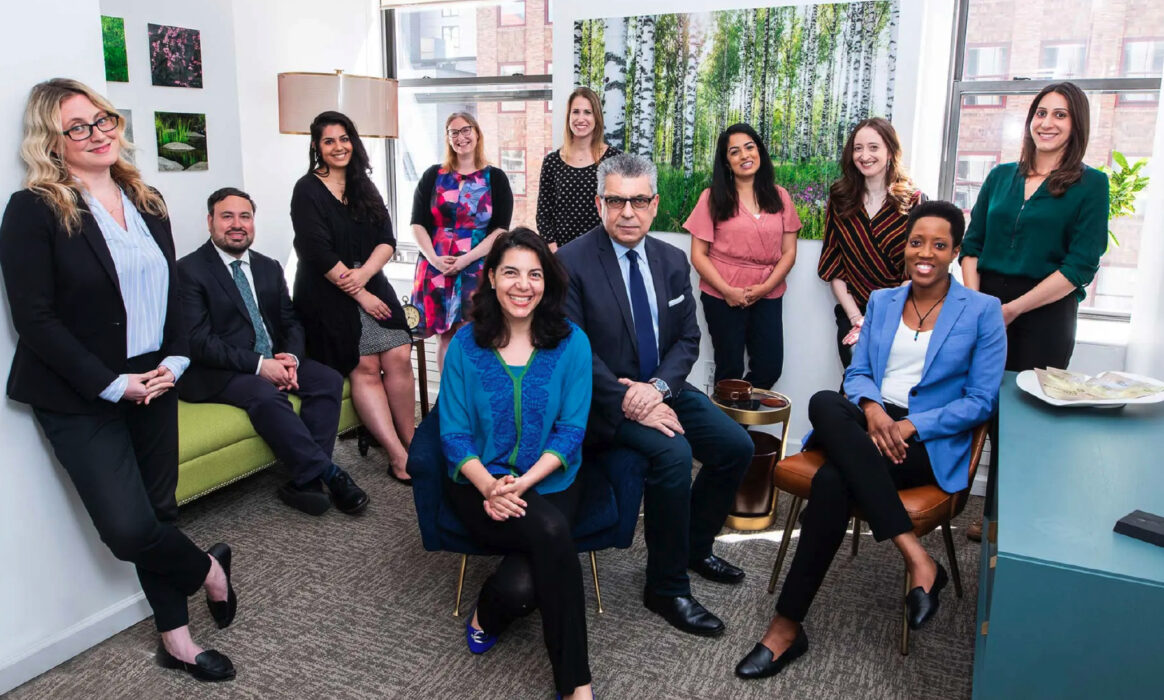
As the founder of Madison Park Psychological Services, I lead a team of exceptional psychologists, representing the top 5% in our field. We specialize in providing holistic care to our diverse clientele, integrating ancient Eastern wisdom with modern Western therapeutic techniques. Through my Inner Message Approach®, my team and I have successfully guided countless adults, couples, and children toward wellness in a remarkably short time.
In addition to my clinical practice, I’m an internationally acclaimed speaker, often sharing the stage with icons like Deepak Chopra, Dr. Shefali, Les Brown, and many others. I’m passionate about educating the public on the Inner Message Approach®, and my insights have been featured in over 100 media outlets, including ABC, CBS, NBC, BBC, and Fox.
This exposure has solidified my reputation as a leading authority in psychology and personal development. I’m proud to have my expertise recognized both nationally and internationally, not only as a seasoned practitioner but also as an educator in this fascinating and ever-evolving field.
MPPS Team (Reviewed By Dr. Yasmine Saad)
Hello! I’m Dr. Yasmine Saad, an award-winning psychologist based in New York City and a two-time international best-selling author. You might know me as “The Wise Psychologist,” a title given to me by my clients for my work. I’m honored to have been recognized by Forbes alongside inspirational figures like Tony Robbins.
My work is centered around my Inner Message Approach®, a transformative method I developed to help individuals decode their thoughts and emotions. This approach is designed to empower people to overcome negative patterns and unlock their true potential. USA Today has called me a “visionary,” highlighting how I’m redefining our understanding of the human mind by combining deep wisdom with revolutionary techniques.
As the founder of Madison Park Psychological Services, I lead a team of exceptional psychologists, representing the top 5% in our field. We specialize in providing holistic care to our diverse clientele, integrating ancient Eastern wisdom with modern Western therapeutic techniques. Through my Inner Message Approach®, my team and I have successfully guided countless adults, couples, and children toward wellness in a remarkably short time.
In addition to my clinical practice, I’m an internationally acclaimed speaker, often sharing the stage with icons like Deepak Chopra, Dr. Shefali, Les Brown, and many others. I’m passionate about educating the public on the Inner Message Approach®, and my insights have been featured in over 100 media outlets, including ABC, CBS, NBC, BBC, and Fox.
This exposure has solidified my reputation as a leading authority in psychology and personal development. I’m proud to have my expertise recognized both nationally and internationally, not only as a seasoned practitioner but also as an educator in this fascinating and ever-evolving field.